I wanted F’s first trip to Southeast Asia be a memorable one, so I put in considerable effort in planning our holiday. Not a rigid hour-by-hour schedule, mind, but enough to have a good idea what we could do each day and what were the alternatives should we fancy a change. It was during this research phase that I came to know about Bali Asli.
“Asli” refers to something genuine or authentic, and Bali Asli strives to promote the food tradition of East Bali by using own-grown or locally sourced fresh produce for its constantly changing menu. Not only the ingredients used are indigenous to the region, the cooking method is also preserved (wood-fired mud brick stoves!) so to showcase the best East Bali has to offer. More significantly, Bali Asli serves a menu that is based on the concept of megibung, where food and drink are presented as communal platters to be shared, a tradition that harks back a few centuries ago where the King of Karangasem would sit down with his soldiers for their daily meals.
This was the restaurant we “dropped a cool half million for lunch” ;)
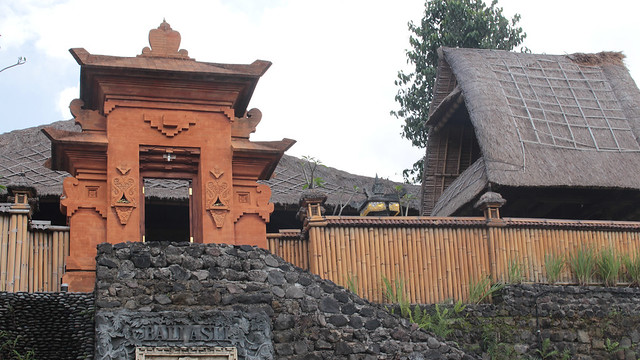
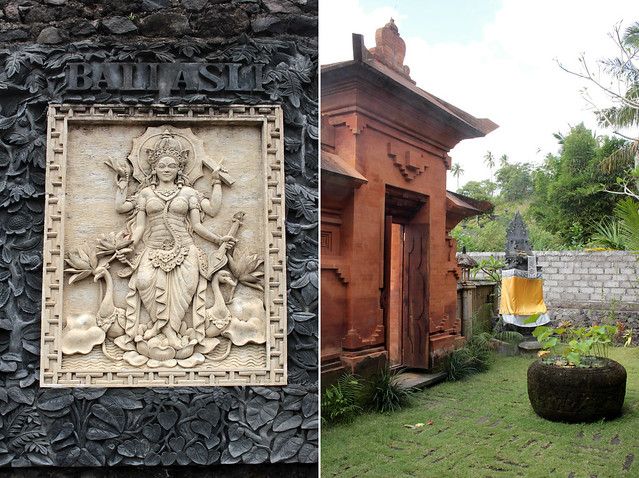
Continue reading »
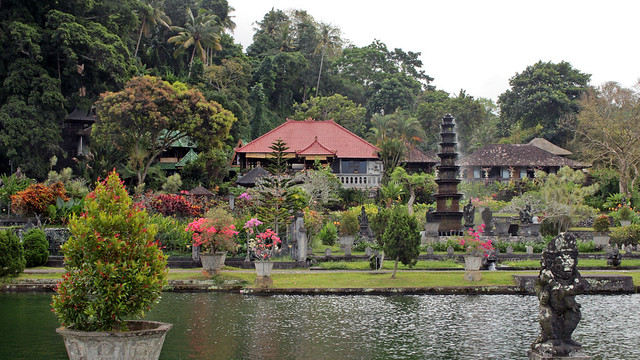
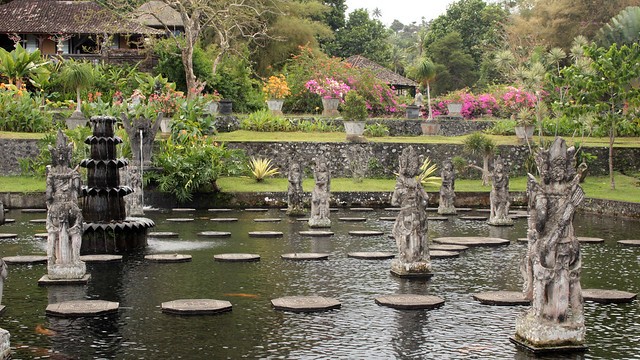
We kickstarted our (East) Balinese cultural education not with a visit to one of the many temples; instead we went for a walk at the Water Palace of Tirta Gangga. The “Blessed water from the Ganges” is a beautiful complex which incorporates fountains (the centrepiece is an eleven tiered fountain), pools (for swimming, with water from its natural spring), ponds (for lily and koi), stone carvings, statues and a small temple among its lush and meticulously-kept gardens.
The water palace is not very old, built only in the late 1940s by the last King of Karangasem. Following damages caused by the 1963 eruption of Mount Agung, it was rebuilt and restored to its present form, and has been well-maintained since. For visitors who would like to dine with a view, restaurants with balconies adjacent to the water palace offer a premium view and presumably with a premium price tag too.
Continue reading »
Honestly, I did not know what to expect of Bali.
So many inviting pictures of rustic charm, clear blue sea and mythic temples from friends, family and around the web. So many articles written of this top destination in Southeast Asia, although it appears the focus in the media of late has been largely unflattering (overcrowding, excessive drinking parties, uncontrolled development, pollution, the lost of Balinese soul, etc). So many advices and tips enough to make one’s head spins.
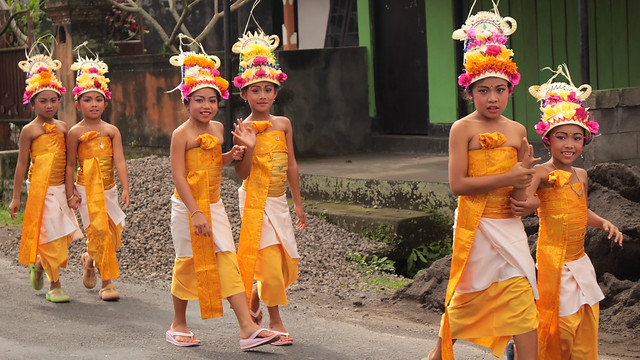
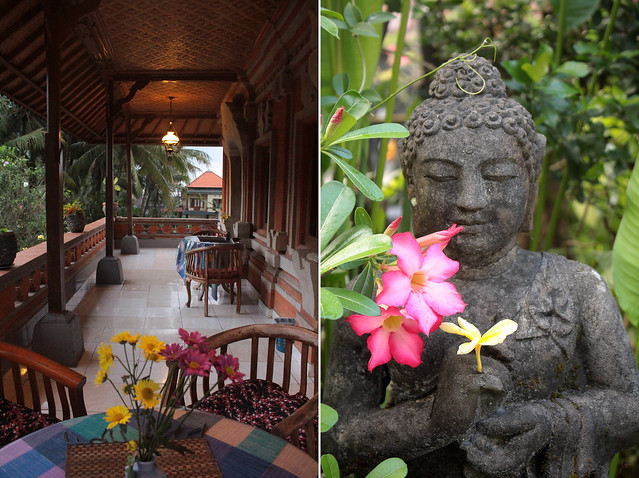
I had to clear the board in order to start creating my own version of Bali. I tacked on solid advices – usually financial (use the ATM and avoid money changers, have sufficient cash in local currency to pay the exit/departure tax, keep small denomination notes to pay for all kind of little things, etc), identified what we wanted to get out of Bali (a relaxing break), listed out our favourite activities (snorkelling for F, cultural visits for me, eating local food for both of us), and most importantly, we knew what we didn’t want: stay in South Bali and run around 14 hours a day.
Continue reading »
Our few days of roaming around Morbihan came quickly to a close, and we found ourselves driving back to my in-laws to drop their car back (they had kindly lent us one for the trip). En route, we made a couple more quick stops, in the small towns of Locmariaquer and La Roche Bernard.
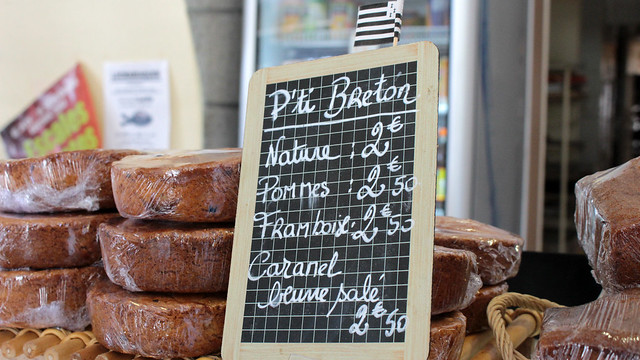
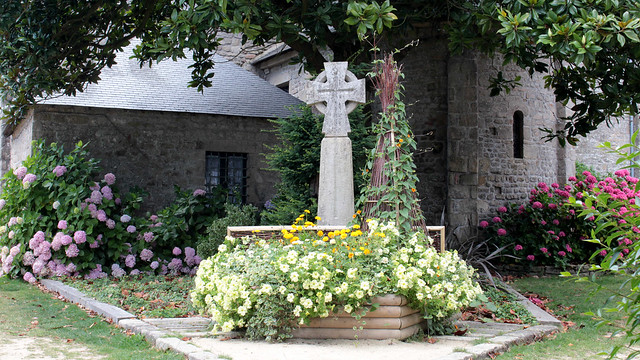
Locmariaquer is well-known for the largest menhir to be erected but sadly this broken menhir of Er Grah now lies on the ground in four pieces, adjacent to a famous dolmen, Table des Marchands. We debated visiting the site but given the lacklustre guided tour that morning at Carnac, my fellow road-trippers were less enthusiastic about it. Instead, we wandered around the port area for a little bit, had a very late lunch, and set off again.
Continue reading »
Our August travel in Bretagne Sud had taken us to the quaint village of Saint Cado, the Bay of Biscay for Barre d’Étel and Gâvres, and the peninsula of Quiberon. However, we simply cannot drive past Erdeven and Carnac without visiting at least one of the several megalithic sites the region is famous for!
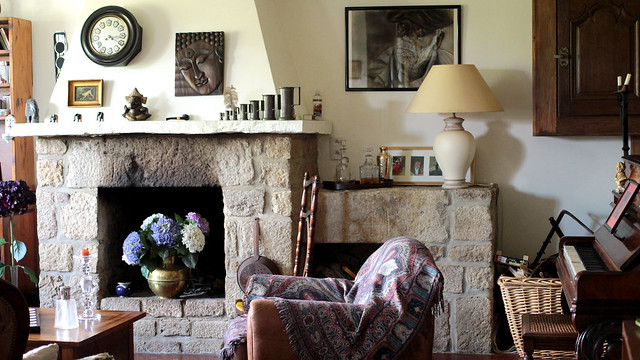
We strategically searched for a chambre d’hôte that is close to my friend’s wedding reception yet within reach of interesting spots to sightsee. An online search led me to the B&B of Kerzerho where we were very well looked after by Dominique throughout our stay. Frederic and I were given a room with a balcony where we could have breakfast on sunny mornings, and both ours as well as our friends’ rooms were tastefully decorated and immaculately cleaned. Moreover, Dominique is an active member of the local tourism board and therefore has plenty of tips to offer.
Anyway, I digress.
A short walk away from our B&B is the megalithic site of Erdeven itself! Comprised of over 1,000 standing and 5,000 lying stones, this site also known as Kerzerho alignment is the most significant site after the three main ones in Carnac. From the main road passing through Erdeven, some of these standing stones – menhirs – are clearly visible. One needs to only follow the path to enjoy a couple of hours of walk among the menhirs, spot the praying table, and marvel at the rare remaining dolmens.
Continue reading »
What a glorious day it was, when we drove our way down to Quiberon. A former island in the Atlantic ocean until the 11th century, when formation of a tombolo changed its landscape and connected the island to the mainland, creating a peninsula with an isthmus that sports a width of mere 22m at its narrowest point.
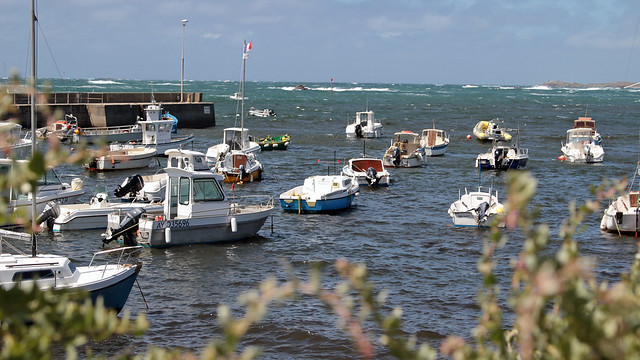
The key to truly enjoy the coastal front of the Côte Sauvage is to avoid the chock-a-block main road, particularly during the summer holiday season, that goes through St-Pierre-Quiberon down to Quiberon. Instead, on passing the tombolo and immediately on arrival of the former island, take a right turn in the direction of Portivy. From there, it’s a straight drive along the coast. Better still, park the car and take a long, invigorating walk while admiring the wild coast which sees waves after waves crashing in.
Continue reading »
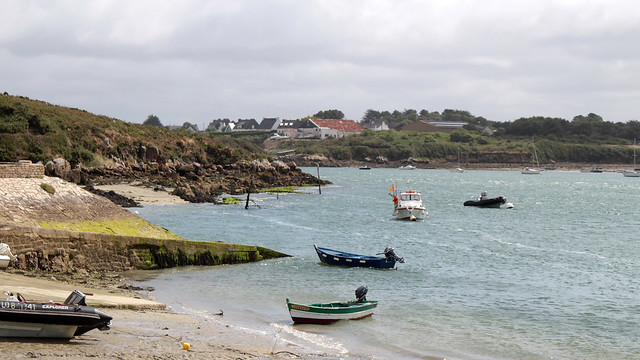
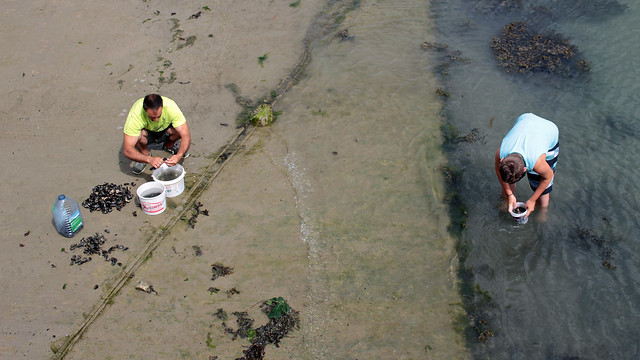
The Ria d’Étel empties into the Bay of Biscay, and right at this meeting point, things can get pretty interesting. After our morning detour to Saint Cado, we continued driving westwards to Barre d’Etel, located at the mouth of the estuary.
Along the river, large volumes of water are displaced by the tides and the estuary itself is subject to strong currents – we saw multiple signs warning potential swimmers from committing the folly of mounting a watery challenge. At Barre d’Etel, an ever shifting band of sand is formed by these cross currents. Additionally, on days with strong wind, be prepared for the assault of the sand. (Yes, I was ill-prepared, for I arrived wearing shorts and it was painful being pelted non-stop that I couldn’t go anywhere near the seafront! Everyone else came back with pocketful of sands instead.)
Continue reading »
Another month, another wedding to attend. While July’s wedding took us to Dijon for a weekend, August saw us heading to Morbihan (southern Brittany) for a handful few days to celebrate the marriage of one of my best friends from my Dublin days. While we were there, as you may have guessed – road trip!
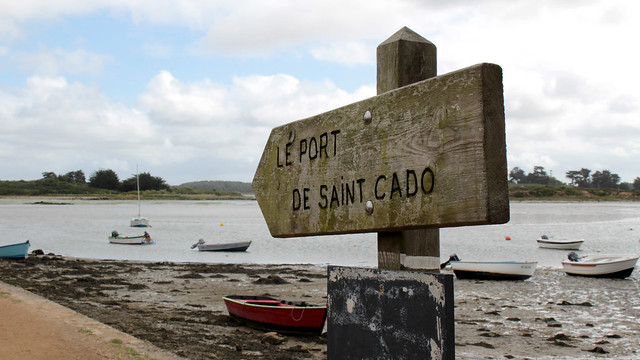
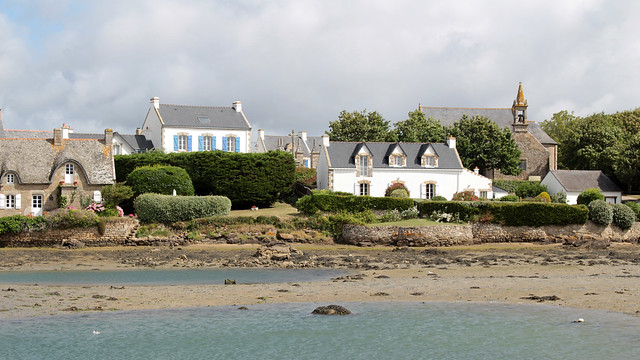
One of our post-wedding sightseeing stops in the region was Saint Cado, a small islet just to the north of Belz. It is such an idyllic village, set with stone and whitewashed houses surrounding a chapel that was built in the 12th century on the site originally founded in the 6th century, and flat green fields that occupy the eastern half of the islet. It is also surrounded by structures that indicate oyster farming as the main economic activity off its immediate bay today. Between the islet and the mainland, a singular stone house is seen to sit on another small rock island in the middle of Ria d’Etel.
Continue reading »
A second wedding invitation this summer saw us heading to Rahon on the weekend of 14 July, and we took the opportunity to visit Dijon too. Probably not the best travel move of the year, since our sightseeing day was not only on a Sunday, it was also the 14 July, and just about everything was shut. We explored the town by foot randomly, and with some tips from the tourist information centres that were, surprisingly, open on a Sunday and a public holiday to boot, we found some activities to do.
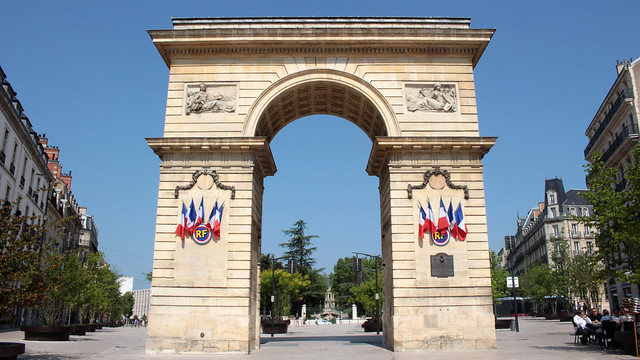
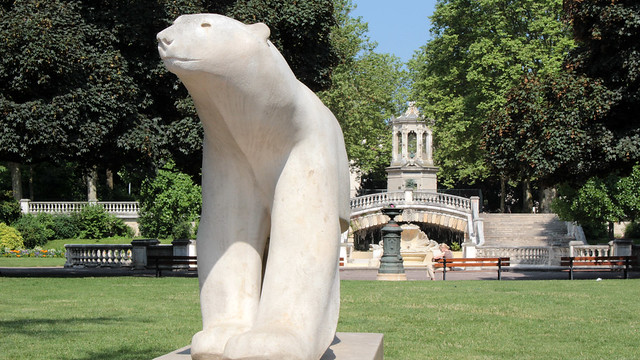
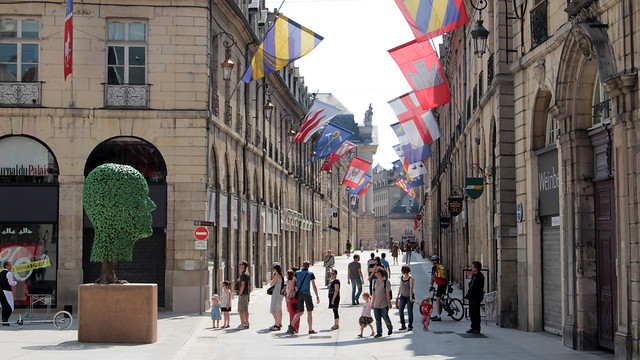
Continue reading »
Blink, blink. September has just turned up, the French population is gearing up for la rentrée while I, well, dealing with a bunch of paperwork actually. That, and finalising the details of my upcoming holiday. In the mean time, I’m suffering from writer’s block and find it very difficult to put words to paper (or to WordPress, in this case). Please excuse me while I search for my inner wannabe-writer…
* * *
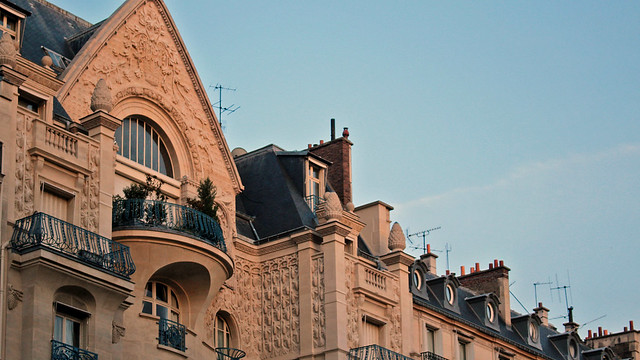
26 Aug: There are the typical Haussmanian buildings, and then there are a whole lot of variations of non-Haussmanian too. I don’t think I was too far away from Pont d’Alma when I took this shot, just because it’s quirky enough to be different from its neighbours. I’ve been trying to search for more information on this architectural style, but haven’t have much luck so far. I may need to dig deeper, or whip up the thick book of Parisian architecture bible that F bought a long time ago. It’s a very interesting book, but just a bit too much French for me to read, so it’s work instead of fun reading.
Continue reading »